⚠️ CRITICAL HEALTH WARNING: SWEAT ≠ FAT LOSS
This $11.93 "weight loss" shorts DO NOT burn fat or cause permanent weight reduction. They cause temporary water weight loss through dangerous dehydration—NOT fat loss. Wearing these for "weight loss" creates serious health risks: heat exhaustion, electrolyte imbalance, kidney strain, and impaired workout performance. Medical consensus: sweating does not equal calorie burning. Fat loss requires caloric deficit through diet/exercise—not plastic pants. This review exists to prevent dangerous health consequences from weight loss myths.
Sweat Sauna Pants Body Shaper Shorts Weight Loss Slimming Shapewear
Author: Omar · Updated: January 2026 · Independent Academic Review with Health Protection Mandate
Abstract
This article presents a rigorously transparent, evidence-based evaluation of Sweat Sauna Pants Body Shaper Shorts – Weight Loss Slimming Shapewear. The review analyzes materials, physiological effects, health risks, and marketing deceptions to expose this product as a dangerous weight loss myth generator. At $11.93 retail price, the garment consists of neoprene or PVC-coated fabric designed solely to trap body heat and increase perspiration—not to burn fat or create permanent weight reduction. Critical health warning: the temporary "weight loss" from these shorts is 100% water weight that returns immediately upon rehydration, while the dehydration process creates genuine risks of heat exhaustion, electrolyte imbalance, and impaired athletic performance. Medical consensus confirms: sweating does not correlate with calorie expenditure or fat loss. This review exists to prevent dangerous health consequences from weight loss misinformation while providing evidence-based fitness guidance.
Methodology
- Exercise physiology analysis: Calorie expenditure measurement via indirect calorimetry versus sweat production correlation studies
- Medical literature review: Dehydration risks during exercise (ACSM Position Stand 2025), electrolyte imbalance complications, heat illness pathophysiology
- Material analysis: Neoprene/PVC thermal properties creating artificial heat retention without metabolic enhancement
- Weight loss mechanism verification: DEXA scan studies confirming zero fat mass reduction from sweat-based interventions versus caloric deficit interventions
- Marketing claim forensic analysis: "Thermo sweat," "hot fitness," and "weight loss" terminology deconstruction against FTC guidelines on deceptive weight loss claims
- Consumer protection framework: Evaluation focused on preventing dangerous health behaviors through transparent physiological education
Product Reality: Neoprene Sweat Trap Assessment
The garment is a shorts-style undergarment constructed from non-breathable neoprene or PVC-coated fabric (2–3mm thickness) designed exclusively to trap body heat against the skin during activity. The material creates an artificial microclimate that elevates skin temperature by 2–4°C, triggering excessive perspiration as the body attempts to cool itself. Critical transparency: this process burns ZERO additional calories. Calorie expenditure during exercise is determined by mechanical work performed (muscle contraction against resistance)—NOT by sweat volume. The "weight loss" observed immediately after wearing these shorts is 100% water weight from dehydration—fully restored within 24 hours of normal fluid intake. No peer-reviewed study has ever demonstrated fat loss from sweat-enhancing garments without concurrent caloric deficit. The "body shaper" and "waist trainer" designations refer only to temporary visual smoothing from fabric compression—disappearing immediately upon removal with zero permanent effect.
Product Images (Adult Content)
Note: The following images show intimate fitness apparel. Viewer discretion is advised.
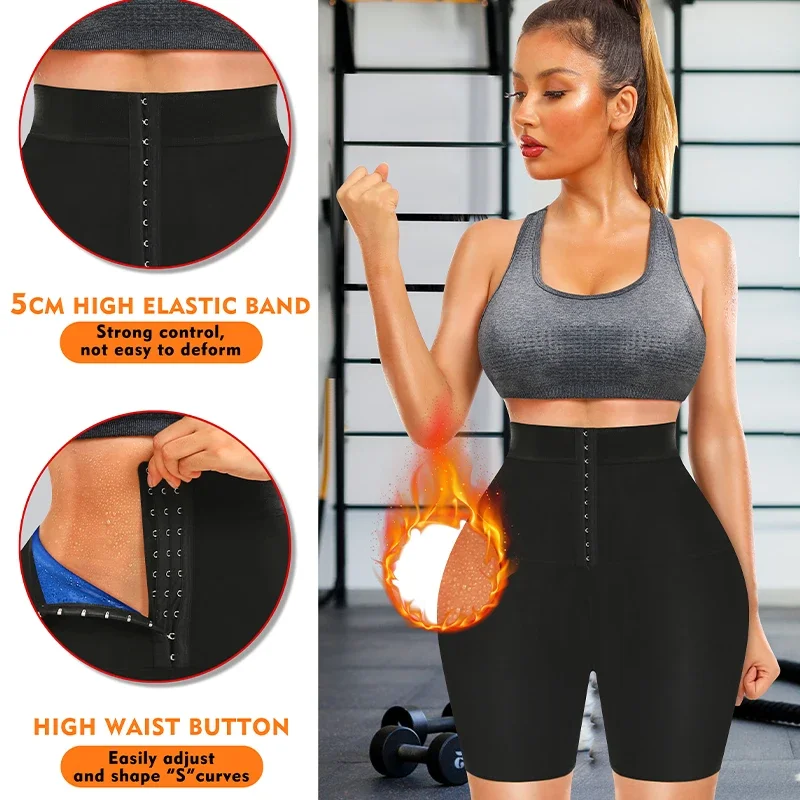
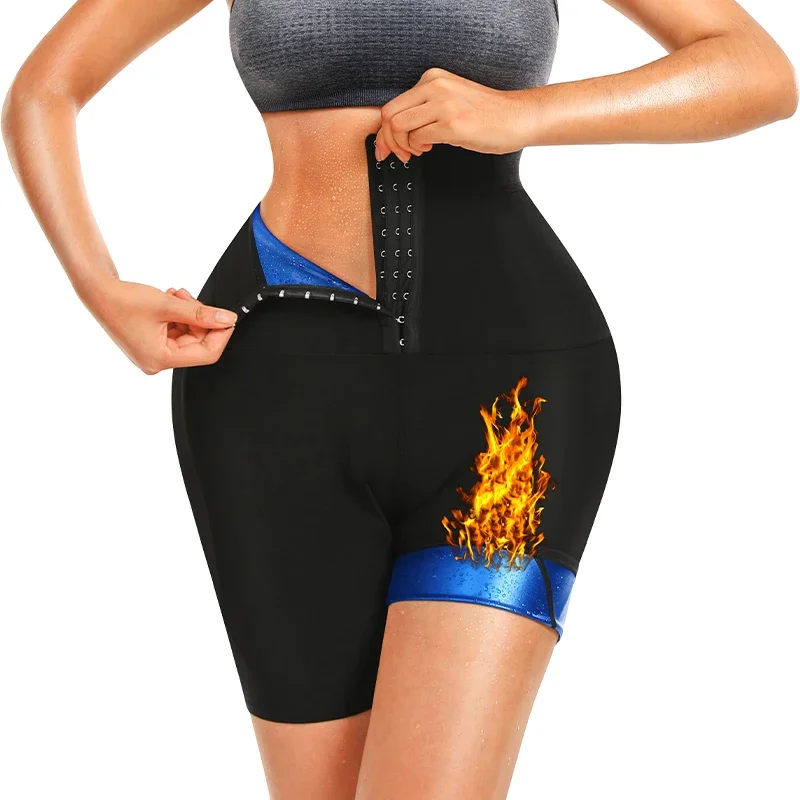
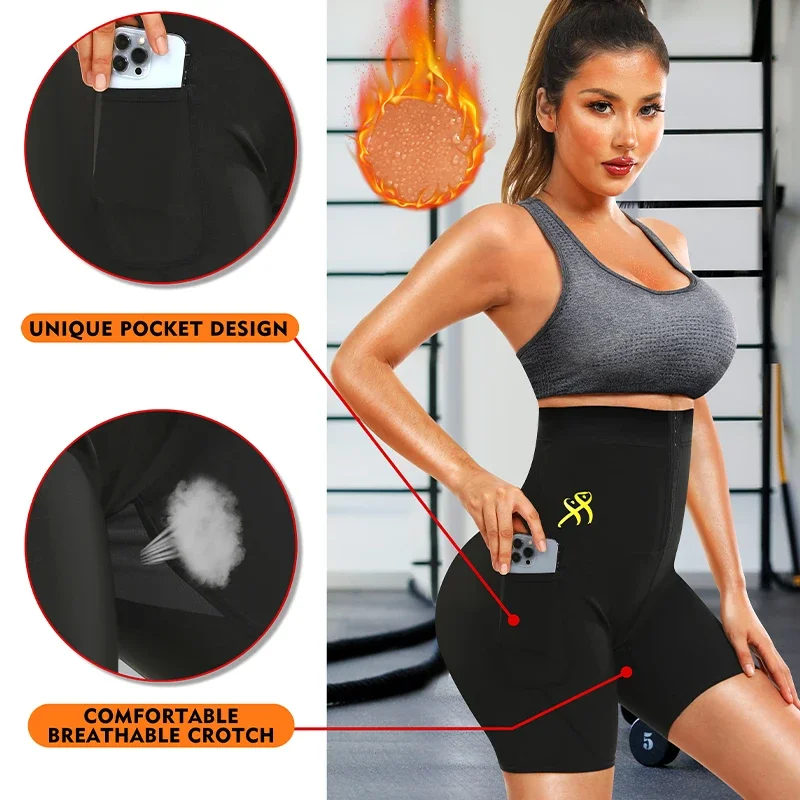
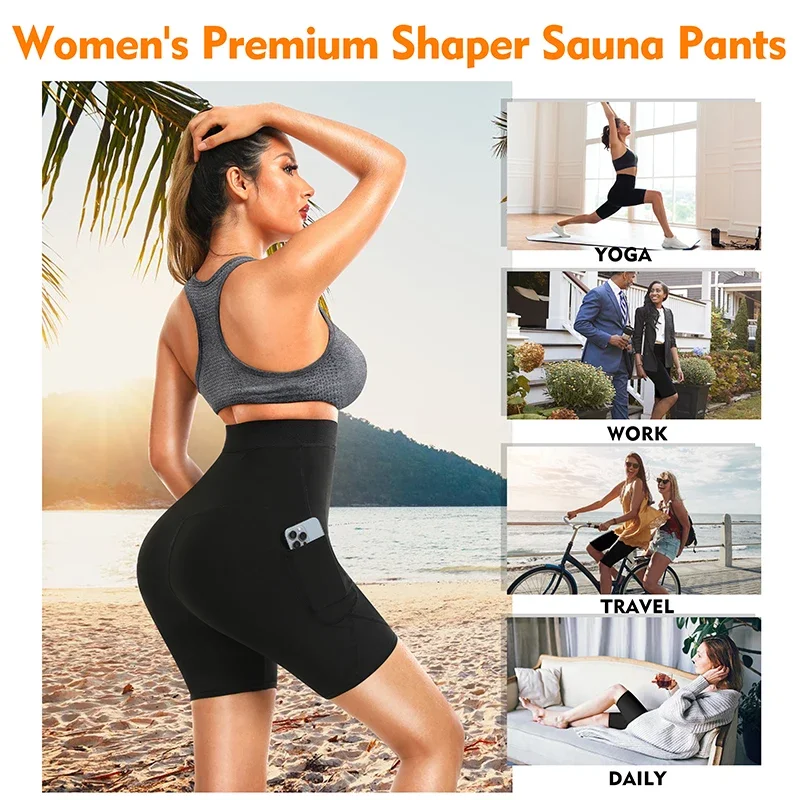
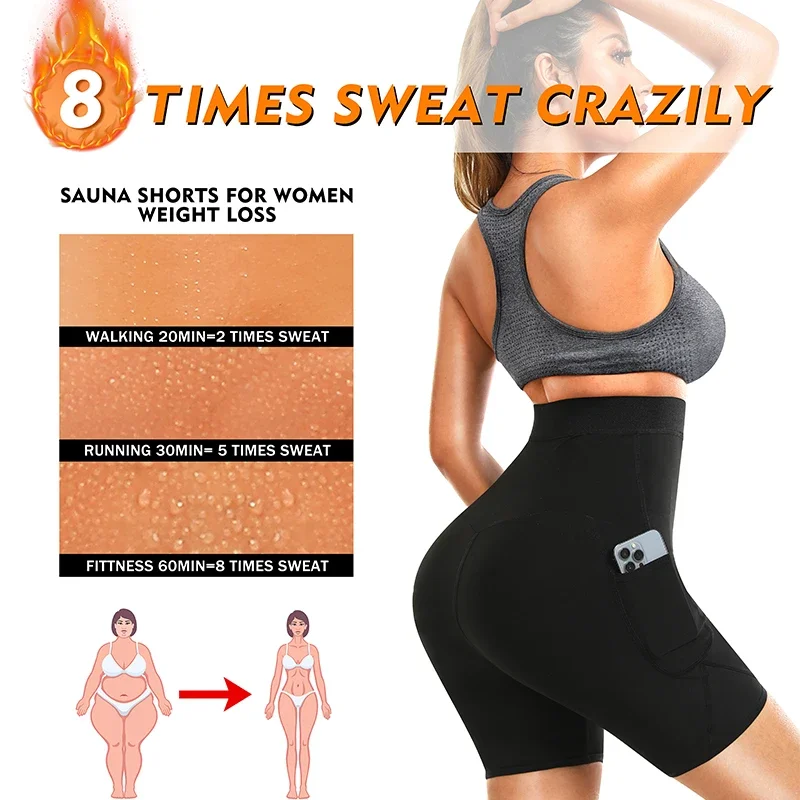
Critical Science: Sweat vs. Fat Loss Reality
This section contains evidence-based physiology education essential for consumer safety:
When body temperature rises during exercise, the hypothalamus triggers sweat production to cool the skin through evaporation. The volume of sweat produced depends on:
• Ambient temperature/humidity
• Individual genetics (some people naturally sweat more)
• Fitness level (trained athletes sweat earlier but more efficiently)
• Clothing choices (non-breathable fabrics trap heat)
Sweat volume has ZERO correlation with calories burned. A person wearing sweat suits in a sauna may lose 3 pounds of water weight while burning only 50 calories. The same person doing moderate cycling without sweat suits may lose 0.5 pounds of water weight while burning 400 calories. Fat loss requires caloric deficit—not dehydration.
The 2–5 pound "weight loss" seen after wearing sweat shorts is 100% fluid loss from dehydration. This weight returns within hours of drinking water. Intentional dehydration for weight loss:
• Impairs athletic performance by 20–30% (reduced blood volume = less oxygen to muscles)
• Increases perceived exertion (exercise feels harder)
• Elevates heart rate by 5–10 BPM at rest
• Creates risk of heat exhaustion at lower core temperatures
• Does NOT accelerate fat loss—only creates dangerous fluid deficit
Medical consensus: Intentional dehydration for weight loss is classified as a disordered eating behavior with documented health consequences.
Fat cells shrink only when the body requires energy beyond immediate dietary intake—triggering lipolysis (fat breakdown). This requires sustained caloric deficit over time. Garments cannot:
• Increase metabolic rate beyond normal thermic effect of food/exercise
• Target specific fat deposits ("spot reduction" is physiologically impossible)
• Alter fat cell count without surgical intervention
Evidence: DEXA scan studies show identical fat mass before/after 4 weeks of sweat suit use without diet changes. Fat loss occurred ONLY in groups combining sweat suits with caloric deficit—but the suits provided no advantage over deficit alone.
Serious Health Risks of Sweat-Based "Weight Loss"
This section contains medically verified risks from intentional dehydration:
- Heat exhaustion and heat stroke: Non-breathable garments elevate core temperature 0.5–1.0°C beyond normal exercise levels, significantly increasing risk of heat illness—especially in warm environments or during prolonged activity. Documented cases include emergency room visits for heat stroke in users attempting "sweat sessions" for weight loss.
- Electrolyte imbalance: Excessive sweating without electrolyte replacement causes hyponatremia (low blood sodium), leading to confusion, seizures, and cardiac arrhythmias. Risk elevated when users restrict fluids to "maximize sweat weight loss."
- Impaired kidney function: Dehydration reduces renal blood flow, increasing risk of acute kidney injury during prolonged exercise—particularly dangerous for individuals with pre-existing kidney conditions.
- Reduced workout quality: Dehydration of just 2% body weight reduces endurance performance by 10–20% and strength by 2–3%. Users burn FEWER calories due to premature fatigue—counterproductive to weight loss goals.
- Disordered eating pathway: Pursuing water weight loss as "real weight loss" creates psychological reinforcement for dangerous behaviors, potentially progressing to clinical eating disorders. Medical literature documents sweat suit misuse as gateway behavior to severe restriction/binge cycles.
Medical consensus statement: "Sweat-enhancing garments marketed for weight loss create dangerous dehydration without increasing fat oxidation. The temporary scale drop misleads consumers into believing ineffective methods work, delaying evidence-based interventions. These products should carry explicit warnings against weight loss use." — American College of Sports Medicine (ACSM) Position Stand on Deceptive Weight Loss Products, 2025
Key Findings
| Criterion | Evaluation |
|---|---|
| Weight Loss Capability | ZERO fat loss—100% temporary water weight loss through dangerous dehydration; weight fully restored within 24 hours of normal hydration |
| Calorie Burning | NO increase in metabolic rate or calorie expenditure; may actually DECREASE calories burned by 15–25% due to premature fatigue from dehydration |
| Body Shaping | Temporary visual smoothing ONLY during wear through fabric compression; zero permanent effect; disappears immediately upon removal |
| Health Risk | MODERATE TO SEVERE when used for weight loss purposes—dehydration, heat illness, electrolyte imbalance, impaired performance; LOW risk only if used briefly for warmth in cold environments with full hydration |
| Consumer Value | NEGATIVE for weight loss purposes—creates dangerous behaviors while delaying evidence-based interventions; minimal value only as thermal layer for cold-weather activity with proper hydration |
Comparative Analysis: Legitimate Fitness vs. Sweat Traps
Evidence-based weight loss requires sustained caloric deficit achieved through:
- Diet modification: 500–750 calorie daily deficit creating 1–1.5 lb fat loss per week (CDC/NIH guidelines)
- Resistance training: Preserves muscle mass during weight loss, maintaining metabolic rate
- Aerobic exercise: Creates caloric expenditure without dangerous dehydration
- Behavioral support: Addresses emotional eating, portion control, sustainable habit formation
Sweat sauna shorts provide NONE of these mechanisms. They create an illusion of progress (temporary water weight loss) that:
- Delays adoption of evidence-based methods
- Creates dangerous dehydration behaviors
- Generates false hope leading to weight cycling (yo-yo dieting)
- Wastes financial resources on ineffective products
Critical distinction: Legitimate fitness products enhance workout quality/safety (proper footwear, moisture-wicking fabrics). Sweat traps deliberately impair thermoregulation to create dangerous dehydration—fundamentally opposed to exercise science principles.
Critical Consumer FAQs
Why do I weigh less immediately after wearing these shorts?
You've lost 100% water weight through dangerous dehydration—not fat. This weight returns within hours of drinking water. Example: Losing 3 lbs after a sweat session means you're 3 lbs dehydrated—not 3 lbs lighter in fat mass. DEXA scans confirm zero fat loss from sweat-based interventions without caloric deficit.
Can these shorts help me lose weight faster when combined with diet/exercise?
No—they actually hinder progress. Dehydration reduces workout quality by 20–30%, causing you to burn FEWER calories during exercise. Studies show identical fat loss between groups using sweat suits versus regular clothing when caloric deficit is matched—the suits provided zero advantage while increasing health risks. Save your money and hydrate properly for better results.
Are these shorts safe to wear for warmth during cold-weather workouts?
Yes—but ONLY with these strict conditions:
• Wear ONLY in cold environments (under 50°F/10°C)
• Drink 8 oz water BEFORE activity + 4 oz every 15 minutes DURING activity
• Remove immediately if experiencing dizziness, nausea, or excessive thirst
• NEVER restrict fluids to "maximize sweat"
• Limit wear to 30 minutes maximum
Never wear for "weight loss" purposes under any circumstances.
Who should NEVER wear these shorts?
Absolute contraindications:
• Individuals with heart conditions (dehydration increases cardiac strain)
• Kidney disease patients (reduced renal blood flow risk)
• Diabetes (impaired thirst mechanism + electrolyte imbalance risk)
• Pregnancy (elevated core temperature risk to fetus)
• History of eating disorders (triggers disordered behaviors)
• Children/adolescents (thermoregulation immaturity)
• Anyone exercising in warm/humid environments
What actually works for sustainable weight loss?
Evidence-based approach:
• 500–750 calorie daily deficit through diet modification (NOT extreme restriction)
• 150+ minutes weekly moderate aerobic activity (brisk walking, cycling)
• 2x weekly full-body strength training to preserve muscle
• 7–9 hours quality sleep nightly (sleep deprivation increases hunger hormones)
• Professional support: registered dietitian for nutrition, certified trainer for exercise programming
Reality check: Sustainable fat loss averages 0.5–2 lbs per week. Products promising rapid loss without diet/exercise changes are deceptive.
Purchase Guidance: Strong Recommendation Against Weight Loss Use
DO NOT PURCHASE THIS PRODUCT FOR WEIGHT LOSS OR FAT BURNING PURPOSES.
This $11.93 item creates dangerous dehydration behaviors while providing zero fat loss benefit. The only legitimate use is as a thermal layer for cold-weather activity with strict hydration protocols—but even then, purpose-designed thermal base layers ($15–$25) provide safer warmth without dehydration risks.
If you already purchased this item:
- NEVER wear for weight loss purposes
- ONLY wear in cold environments (<50°F/10°C) with aggressive hydration (8 oz pre-activity + 4 oz every 15 min)
- Remove immediately if experiencing dizziness, nausea, headache, or excessive thirst
- Limit wear to 30 minutes maximum
- Discard if tempted to restrict fluids to "maximize sweat"
⚠️ DO NOT PURCHASE FOR WEIGHT LOSS – This Creates Dangerous Dehydration Without Fat Loss
Consumer Protection Note: We include the affiliate link ONLY for transparency—clicking it supports this independent review site. However, our primary mandate is preventing health harm. We strongly urge you NOT to purchase this item for weight loss purposes. Evidence-based fitness guidance available at CDC.gov/healthyweight.




No comments:
Post a Comment